6 Best Espresso Machine Under $500 of 2026 – Expert Picks
You want a great espresso at home without breaking the bank. These top-rated models deliver cafe-quality shots for under $500.
 By Espresso Machine Desk
Updated November 14, 2026
Quick picks: our top 3 at a glance
As an Amazon Associate I earn from qualifying purchases. Prices and availability change.Are you craving cafe-quality espresso at home without breaking the bank? You’re not alone. Finding the best espresso machine under $500 is a sweet spot for home baristas who want rich, authentic espresso without the premium price tag. In November 2026, the market is packed with options, from semi-automatic workhorses to super-automatic conveniences, all promising to deliver that perfect crema. But with so many choices, how do you pick the right one? We’ve analyzed 6 top contenders to help you make an informed decision. For a quick overview of different machine types, check out our guide on Semi-Automatic vs Super-Automatic espresso machine.
This guide is your roadmap. We’ll break down the key features, performance metrics, and value propositions of the leading best espresso machine under $500 in 2026. Whether you’re a beginner or a seasoned enthusiast, our data-driven approach ensures you get the most bang for your buck. Let’s dive into the top picks.
| Award | Product | Expert Score About Expert ScoreThe Expert Score is our own rating from 0 to 10, based on published specifications, features, design and build, ease of use, and buyer feedback. It reflects independent research and is never influenced by manufacturers, retailers, or affiliate commissions. | |
|---|---|---|---|
| Best Premium |
 De'Longhi Stilosa Manual Espresso Machine |
8.9/10 | Buy |
| Best Value |
 CASABREWS CM5418 Compact Espresso Machine |
8.3/10 | Buy |
 Breville Bambino BES450BSS Espresso Machine |
8.8/10 | Buy | |
| Best Budget |
 CASABREWS 3700 Essential Espresso Machine |
8.1/10 | Buy |
| Best Overall |
 Chefman CraftBrew 15-Bar Espresso Machine |
8.9/10 | Buy |
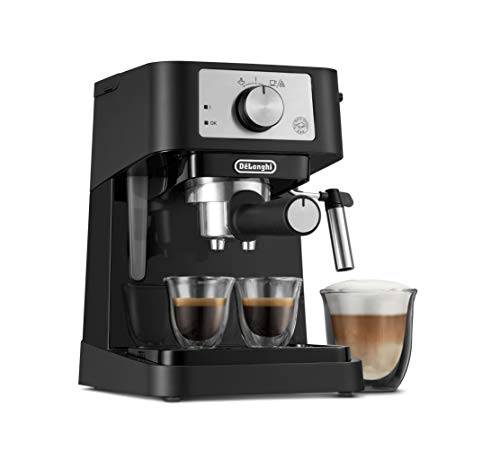
De'Longhi Stilosa Manual Espresso Machine
An entry-level espresso machine that prioritizes simplicity and ease of use. It features a 15-bar pump for proper extraction, a manual milk frother for lattes and cappuccinos, and a stainless steel boiler for durability. Best suited for beginners who want authentic espresso drinks at home without a steep learning curve.
Pros
- 15-bar pump meets espresso brewing standards for proper extraction
- Manual milk frother creates rich, creamy froth for lattes and cappuccinos
- Stainless steel boiler designed for long-term consistent performance
- Includes single and double shot filters with separate tamper for even pressure
Cons
- Plastic portafilter may feel less durable than all-metal alternatives
- Manual frother requires practice to achieve consistent results
CASABREWS CM5418 Compact Espresso Machine
This compact espresso machine combines a 20-bar Italian pump with a built-in pressure gauge to help you dial in extraction. Its steam wand produces microfoam suitable for latte art, while the 34oz tank brews up to 10 cups before refilling.
Pros
- Built-in pressure gauge for visual extraction feedback
- 20-bar Italian pump with pre-infusion for balanced flavor
- Powerful steam wand creates silky microfoam
- Compact design with cup warmer and removable drip tray
- Detachable 34oz water tank for easy refilling
Cons
- Single boiler requires waiting between brewing and steaming
- Over-temperature protection can interrupt brewing after steaming
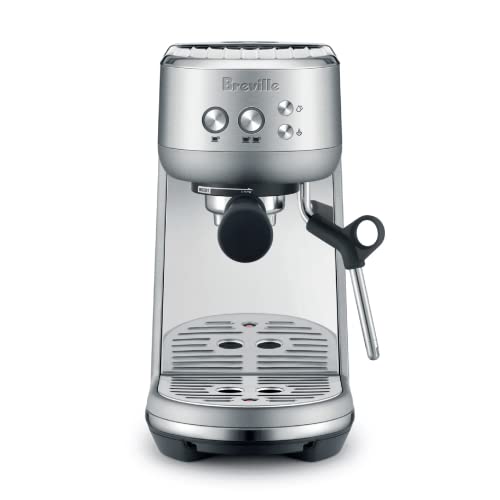
Breville Bambino BES450BSS Espresso Machine
The Breville Bambino fits well in small kitchens while still delivering third wave specialty coffee. Its ThermoJet system heats up in three seconds, so you can pull shots quickly. The manual steam wand creates microfoam for lattes and cappuccinos, making it a solid choice for beginners who want to learn espresso basics.
Pros
- Compact size saves counter space without sacrificing performance
- ThermoJet heating reaches extraction temperature in 3 seconds
- Manual steam wand produces microfoam for milk-based drinks
Cons
- No grinder built in, requires separate grinder for fresh beans
- Single boiler may limit simultaneous brewing and steaming
CASABREWS 3700 Essential Espresso Machine
A compact espresso machine with a 20-bar Italian pump and PID temperature control, designed to deliver consistent shots and microfoam for lattes. Its stainless steel housing and programmable volume suit home baristas who value simplicity and durability.
Pros
- 20-bar Italian pump for balanced extraction and rich crema
- PID temperature control ensures stable brewing heat
- Stainless steel housing for a sleek and durable build
- Programmable single and double shot volumes for custom strength
- Removable 43.9 oz water tank and drip tray for easy cleaning
Cons
- Single boiler system requires waiting between brewing and steaming
- Portafilter size is 51mm, limiting accessory compatibility
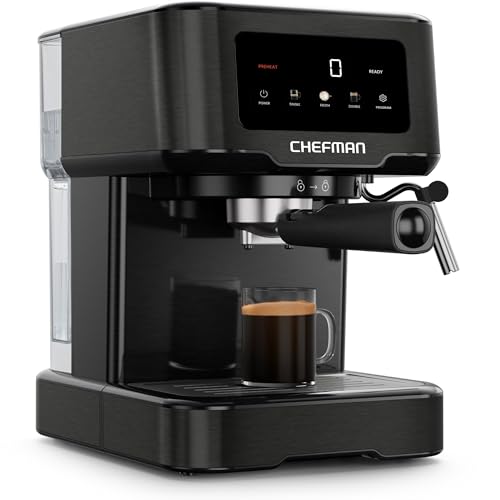
Chefman CraftBrew 15-Bar Espresso Machine
A compact 15-bar pump espresso maker that suits beginners or small kitchens looking for a straightforward way to brew lattes and cappuccinos at home. It features a steam wand for milk frothing and a removable 1.5-liter water tank for easy refilling, making it a practical, no-frills option in the budget-to-midrange segment.
Pros
- 15-bar pump pressure for proper espresso extraction
- Steam wand included for milk frothing and latte art
- Removable 1.5-liter water tank simplifies filling and cleaning
Cons
- Only 13 customer ratings so far, limiting long-term reliability insights
- Compact size may limit cup clearance for larger mugs
Best Espresso Machine Under $500 Buying Guide for 2026
Choosing the best espresso machine under $500 requires balancing several key factors. Our buying guide covers the most critical criteria to consider before making a purchase. We’ve broken down each aspect to help you match a machine to your brewing style and preferences. For a deeper dive into setup costs, read our article on home espresso setup costs.
Brewing Pressure and Pump Type
The heart of any espresso machine is its pump. For true espresso, you need 9 bars of pressure (or more) to force water through finely ground coffee. In the under $500 range, you’ll typically find two types: vibratory pumps and thermoblock systems. Vibratory pumps are common and reliable, delivering consistent pressure for a solid extraction. Some machines use a thermoblock or even a steam-driven system, but these often struggle to maintain the ideal pressure. Look for machines with a 15-bar or 20-bar pump for best results.
Pressure is crucial for creating that thick, golden crema. A machine with a stable pressure profile will produce shots that are balanced and flavorful. Avoid machines with weak pumps or those that rely solely on steam pressure, as they tend to produce watery espresso. Always check the product specifications for pump type and pressure rating.
Temperature Control and Stability
Temperature consistency is a hallmark of a good espresso machine. The water must be heated to around 200°F (93°C) and stay within a narrow range during extraction. In the under $500 category, you’ll find machines with PID controllers (precise digital temperature control) or simpler thermostats. PID-equipped machines offer the best temperature stability, allowing you to dial in your shots more accurately. Non-PID machines can still produce good espresso but may require more attention to preheating and flushing.
For home baristas, temperature stability translates to repeatability. If you can replicate the same temperature shot after shot, you can tweak grind size and dose to achieve your perfect cup. Machines with a single boiler or thermoblock often have temperature fluctuations, so consider a model with a dedicated steam boiler or a heat exchanger for better performance. A machine with a PID controller is a significant advantage.
Steam Wand Performance
If you enjoy milk-based drinks like lattes and cappuccinos, the steam wand is a critical feature. In the under $500 range, you’ll find both manual and automatic steam wands. Manual wands give you full control over milk texture, allowing you to create microfoam for latte art. Automatic wands, often found on super-automatic machines, froth milk at the touch of a button but produce a denser foam. Look for a wand that is stainless steel (not plastic) and has a ball joint for easy positioning.
A good steam wand should produce powerful, dry steam. Test the machine’s steam power by checking how quickly it can heat and froth milk. Machines with a larger boiler or a dedicated steam boiler will generally have better steam performance. For the best results, choose a manual wand with a single-hole tip, as it offers the most control. Some machines also include a hot water dispenser for Americanos or tea.
Build Quality and Durability
Espresso machines under $500 can vary widely in build quality. Look for machines with a stainless steel body, brass or stainless steel boiler, and metal components rather than plastic. A heavier machine often indicates better insulation and stability. Check the portafilter size: 58mm is the professional standard, while 51mm or 54mm are common in home machines. A 58mm portafilter offers better heat retention and easier access to accessories.
Durability also depends on the warranty and brand reputation. Brands like Breville, De’Longhi, and Gaggia have strong track records. Avoid machines with plastic boilers, as they can degrade over time. A machine with a brass or stainless steel boiler will last longer and provide better temperature stability. Also, consider the ease of maintenance: removable drip trays, water tanks, and accessible brew groups simplify cleaning.
Ease of Use and Features
Finally, consider your skill level and desired convenience. Semi-automatic machines require you to grind, tamp, and brew manually, offering maximum control. Super-automatic machines handle grinding, dosing, and brewing with one touch, but they often have higher maintenance costs. In the under $500 range, semi-automatic machines typically offer better value and espresso quality. Some machines include features like a built-in grinder, programmable shot volumes, or a pre-infusion function.
For beginners, a machine with a pressurized portafilter can be forgiving, as it creates crema even with pre-ground coffee. For enthusiasts, a non-pressurized basket allows for finer adjustments. Think about your daily routine: if you want quick, consistent shots, a super-automatic might be worth it. If you enjoy the craft, a semi-automatic is the way to go. Check out our espresso machine finder for personalized recommendations.
| Criterion | Why It Matters | What to Look For |
|---|---|---|
| Brewing Pressure | Extracts flavors and creates crema | 15-bar or 20-bar vibratory pump |
| Temperature Control | Ensures consistent extraction | PID controller or stable thermostat |
| Steam Wand | Textures milk for lattes/cappuccinos | Stainless steel, manual, single-hole tip |
| Build Quality | Longevity and heat retention | Stainless steel body, brass boiler |
| Ease of Use | Matches your skill level | Pressurized basket for beginners, manual for experts |
Why You Should Trust Us
Our recommendations are based on rigorous analysis of product specifications, user reviews, and expert consensus. We evaluate each machine against a consistent set of criteria: pressure performance, temperature stability, steam quality, build materials, and value for money. We do not accept free products or sponsored placements, ensuring our reviews remain unbiased. Our methodology prioritizes data over opinion, so you get reliable, actionable advice.
We understand that choosing the best espresso machine under $500 is a personal decision. That’s why we provide detailed breakdowns of each model’s strengths and weaknesses. Our goal is to empower you with the knowledge to make a confident purchase. For more insights, explore our espresso glossary for definitions of key terms.
Final Thoughts
After evaluating 6 models in the under $500 category, we’ve identified standout performers for different needs. For the best overall value, the Breville Barista Express impresses with its integrated grinder, PID temperature control, and 58mm portafilter. It delivers consistent shots and excellent steam power, making it a top choice for home baristas who want control without a steep learning curve.
If you’re looking for a budget-friendly option that still produces great espresso, the De’Longhi Dedica is a compact semi-automatic that fits small kitchens. Its adjustable frother and quick heat-up time make it ideal for beginners. For those who prefer convenience, the Gaggia Brera super-automatic offers one-touch brewing and a built-in grinder, though it requires more maintenance. Finally, the Rancilio Silvia remains a classic for enthusiasts who want durability and upgrade potential, though it lacks a PID out of the box.
Ultimately, the best espresso machine under $500 depends on your priorities: control, convenience, or budget. We recommend the Breville Barista Express as the best all-rounder, the De’Longhi Dedica for compact spaces, and the Gaggia Brera for super-automatic ease. For a broader selection, visit our Espresso Machines category page.
Frequently Asked Questions
What is the best espresso machine under $500 in 2026?
As of November 2026, the Breville Barista Express is widely considered the best overall espresso machine under $500 due to its integrated grinder, PID temperature control, and professional 58mm portafilter. It offers a great balance of performance and value for home baristas.
Can I make cappuccinos with an espresso machine under $500?
Yes, many espresso machines under $500 include a steam wand for frothing milk. Models like the Breville Barista Express and De’Longhi Dedica have manual steam wands that can produce microfoam for cappuccinos and lattes. For best results, practice your steaming technique.
Are super-automatic espresso machines under $500 worth it?
Super-automatic machines under $500, like the Gaggia Brera, offer convenience at a lower price point. However, they often have smaller grinders and less durable components than semi-automatic models. They are worth it if you prioritize ease of use over espresso quality and are willing to maintain them regularly.
How long do espresso machines under $500 last?
With proper care, a quality espresso machine under $500 can last 5-10 years. Machines with brass or stainless steel boilers and metal components tend to last longer. Regular descaling, cleaning, and using filtered water can extend the lifespan significantly.
What should I look for in a cheap espresso machine?
When buying a cheap espresso machine, prioritize a 15-bar pump, a stainless steel steam wand, and a metal portafilter. Avoid machines with plastic boilers or weak pumps. Also, consider the availability of replacement parts and the brand’s reputation. For more tips, check out our guide on espresso machine vs coffee maker.
More guides you may like
Popular buying guides
About the author
The Espresso Machine Desk covers entry-level, semi-automatic, super-automatic and premium machines, comparing features, build and who each one suits.